

 Our Environmental Commitment


At POMO, our commitment is more than just words on a page. It's about taking daily, tangible steps to embed sustainable decision-making at all stages of our workflow.
We do this to protect our environment for future generations and also because we draw on natural resources for outcomes we create. We are dedicated to transparently reporting on our progress and ensuring that our business practices not only meet goals and our policies but also inspire a more sustainable future.
We ensure the integrity of our timber by being precise in our specifications. We source only certified timber from sustainably managed forests, verified by either the Forest Stewardship Council (FSC) or Responsible Wood, requiring full Chain of Custody (CoC) documentation.
We prioritise locally grown and milled Queensland species, like Spotted Gum and Ironbark. This supports our regional economy, reduces transportation emissions, and ensures we use timber naturally suited to our climate. We prohibit toxic treatments like CCA, opting for low-toxicity alternatives or naturally durable hardwoods.
For all our steel and aluminium components, we focus on the entire lifecycle. We specify that all structural steel must contain a minimum of 50% post-consumer recycled content, a standard our Australian manufacturers can verify.
We also require Environmental Product Declarations (EPDs) for key metal elements to make informed choices based on transparent data. To extend material life, we specify hot-dip galvanizing or low-VOC powder coating rather than solvent-based paints.
We prevent ambiguity and greenwashing by clearly defining our material requirements. For public art components, we require that a minimum of 40% of the artwork's mass be composed of materials reclaimed from post-consumer or post-industrial sources within a 100km radius.
Furthermore, we exclusively use low-VOC or zero-VOC paints, sealants, and adhesives to improve air quality for construction teams and the public.
POMO's commitment to social sustainability is demonstrated by placing genuine community engagement at the core of our design process. We move beyond simple consultation to foster a collaborative partnership with locals.
Our goal is to create meaningful public places that are deeply connected to the places in which they exist. Through this process, we aim to deliver not just an upgraded physical space, but a more resilient and connected community.
Successful placemaking means creating public spaces that are truly for everyone. At POMO, inclusive design is a non-negotiable. We ensure all outcomes—from pathways and amenities to furniture—are fully compliant with AS 1428.1 (Design for Access and Mobility) and Australian Standards for Wayfinding.
This technical expertise ensures our creative visions are functional, safe, and intuitive for every person who interacts with the space.
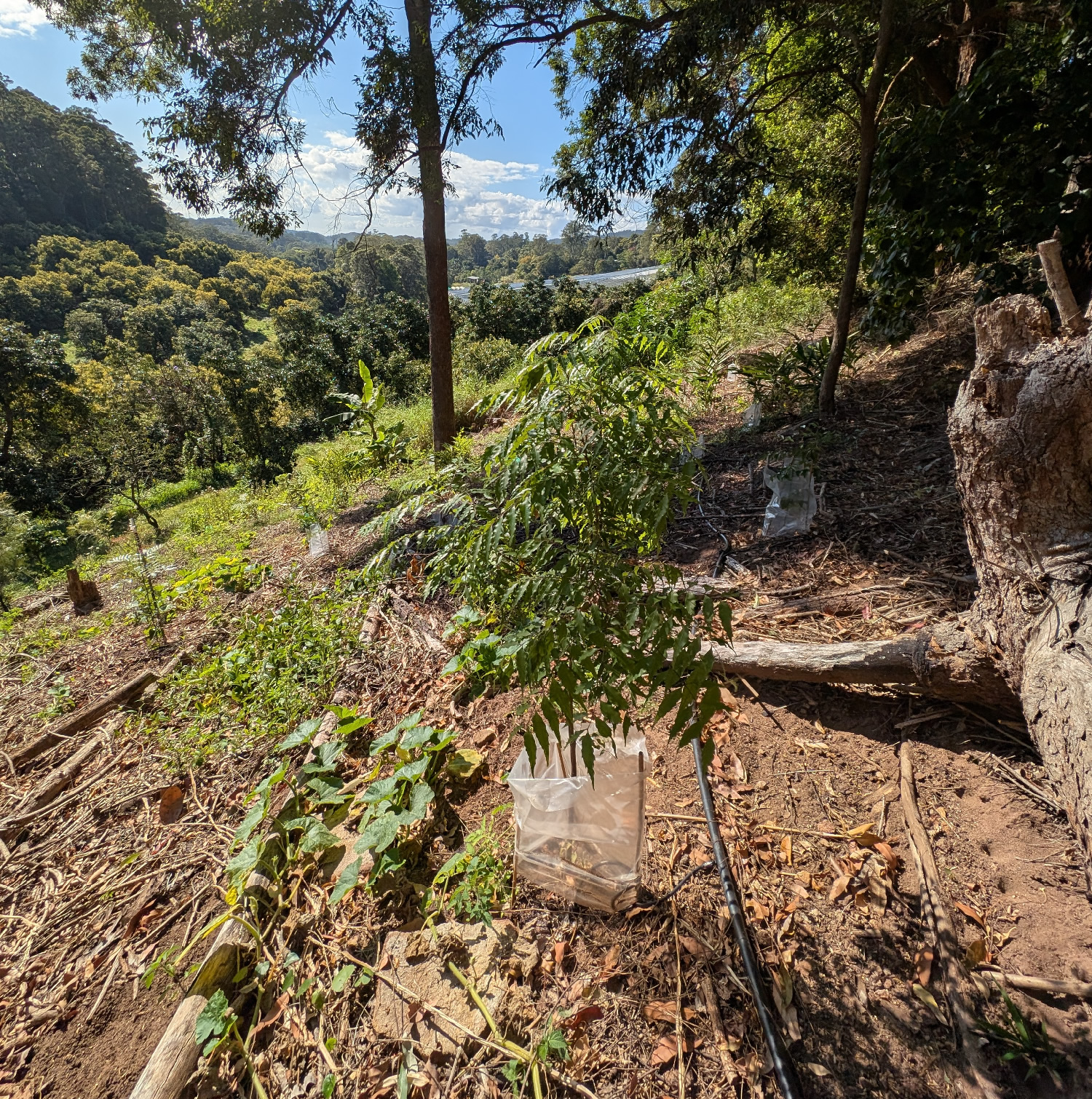
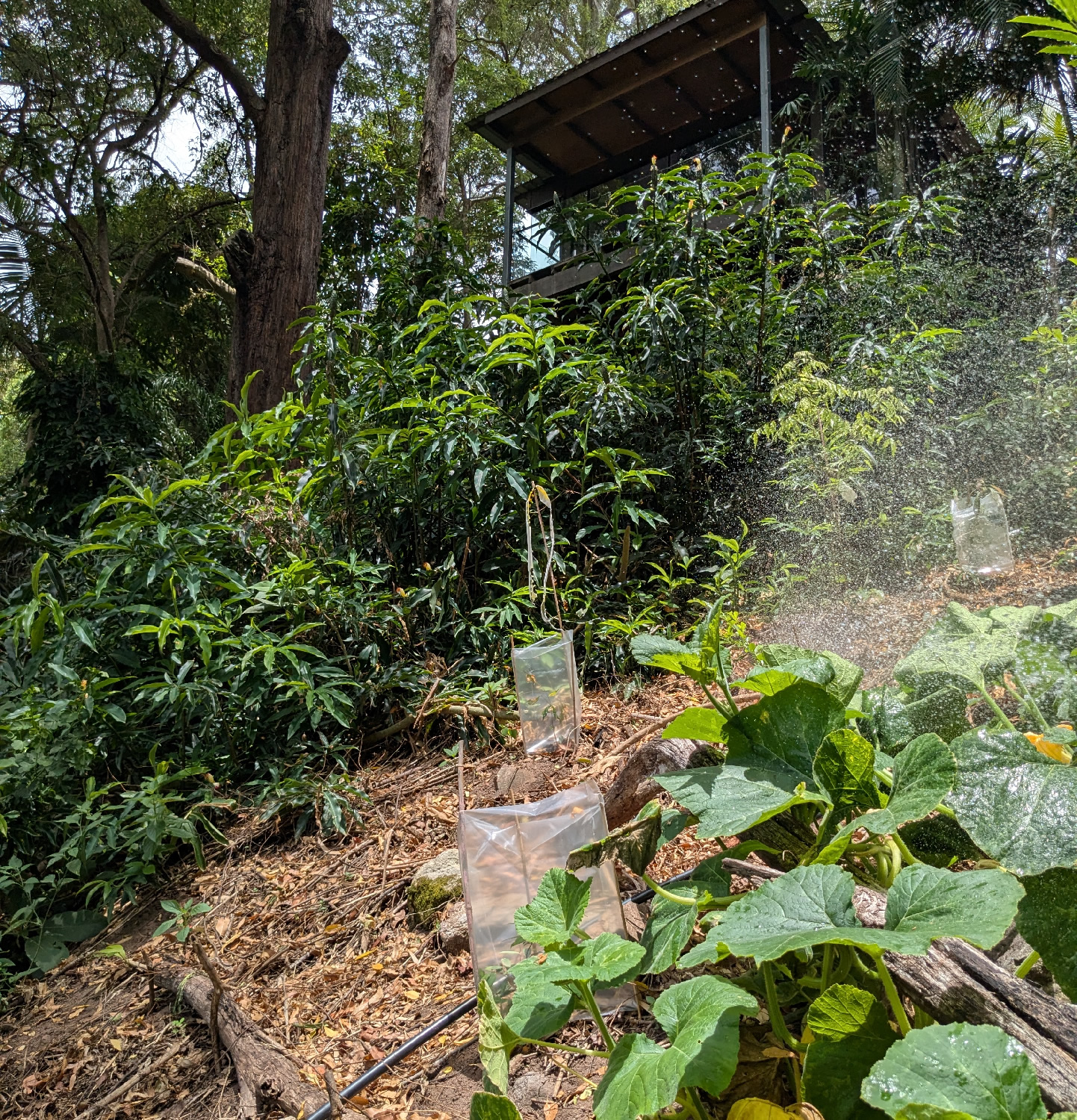
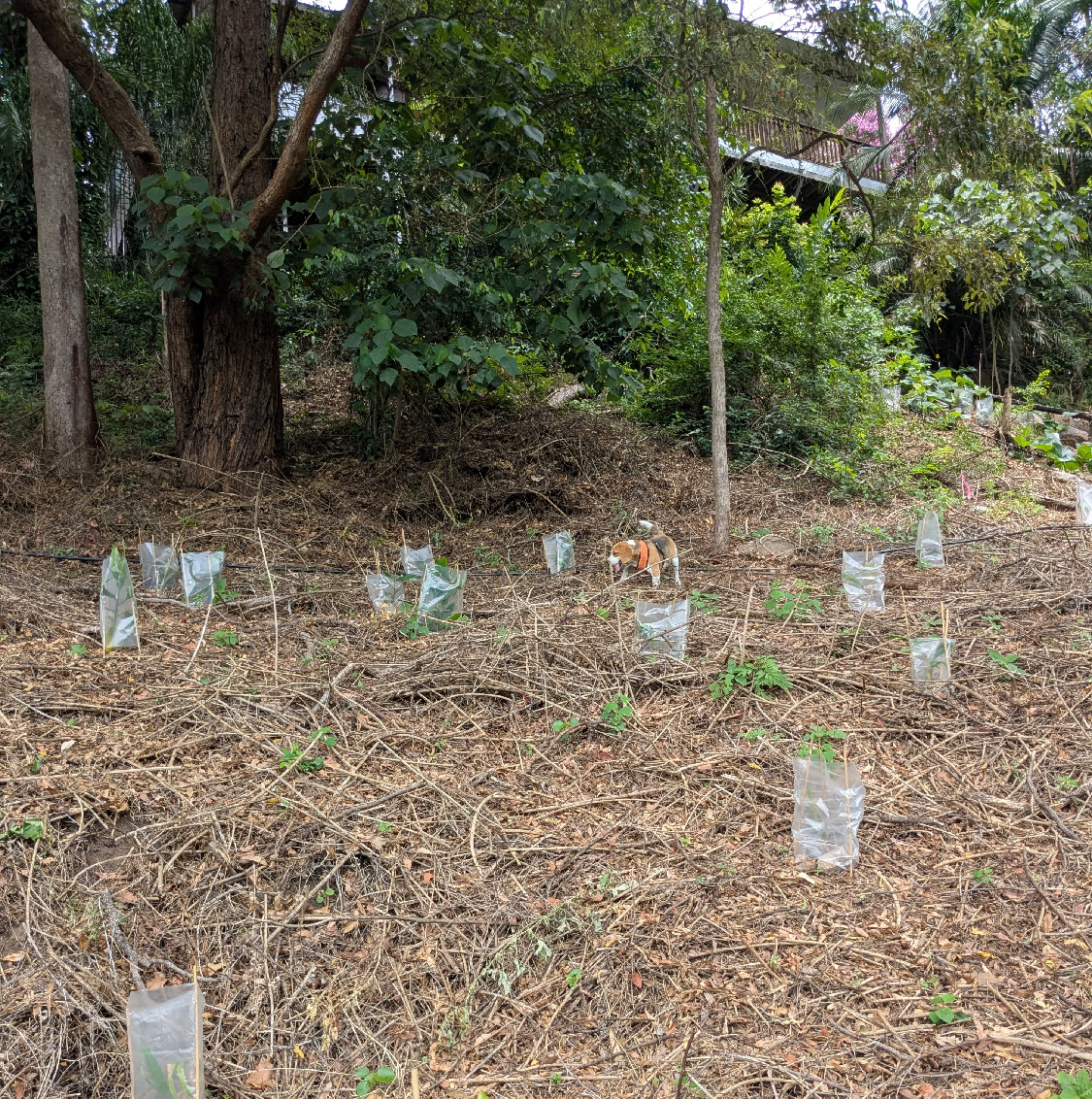
We are actively committed to rehabilitating the property upon which the POMO studio sits. Profits from the business are in part used to rehabilitate this land, which was previously consumed with weeds.
We have embarked on a process of removing over 2000m² of lantana and have planted over 150 native trees and shrubs connected to drip irrigation. This is an ongoing process of stewardship.
Environmental sustainability is a journey. We review our policies annually, measuring progress against set targets. We actively work to reduce our eco-footprint by minimizing waste, saving resources (water/paper/energy), and cutting emissions from travel.
We also encourage our suppliers to meet high environmental standards and train our team to ensure our written procedures for minimising environmental impacts are followed.
Other projects
Vunilagi: A Prototype for Regenerative Placemaking and Remote Pacific Housing Solutions

Vunilagi: A Prototype for Regenerative Placemaking and Remote Pacific Housing Solutions
Vunilagi represents a sophisticated application of regenerative placemaking, which is a cutting edge field currently evolving to move urban development beyond the limitations of standard sustainability. While traditional development often focuses on harm reduction, this prototype project acts as a functional catalyst for net positive outcomes in Marou Village, Fiji.
Palmwoods Town Square: Delivering Community Identity through Creative Placemaking - Bespoke Urban Infrastructure
Palmwoods Town Square: Delivering Community Identity through Creative Placemaking - Bespoke Urban Infrastructure
For decades, the physical centre of Palmwoods was defined by a sloping asphalt car park that offered utility but no community connection. The Sunshine Coast Council identified the need to transform this functional void into a genuine town square.
The challenge was not simply to build a modern park, but to deliver a “civic heart” that felt established and authentic. The community did not want a generic urban upgrade; they demanded a space that reflected the town’s timber-getting history and agricultural heritage. The mandate was to create new infrastructure that felt like it had been there for a century and fit with the historical buildings that surrounded it.